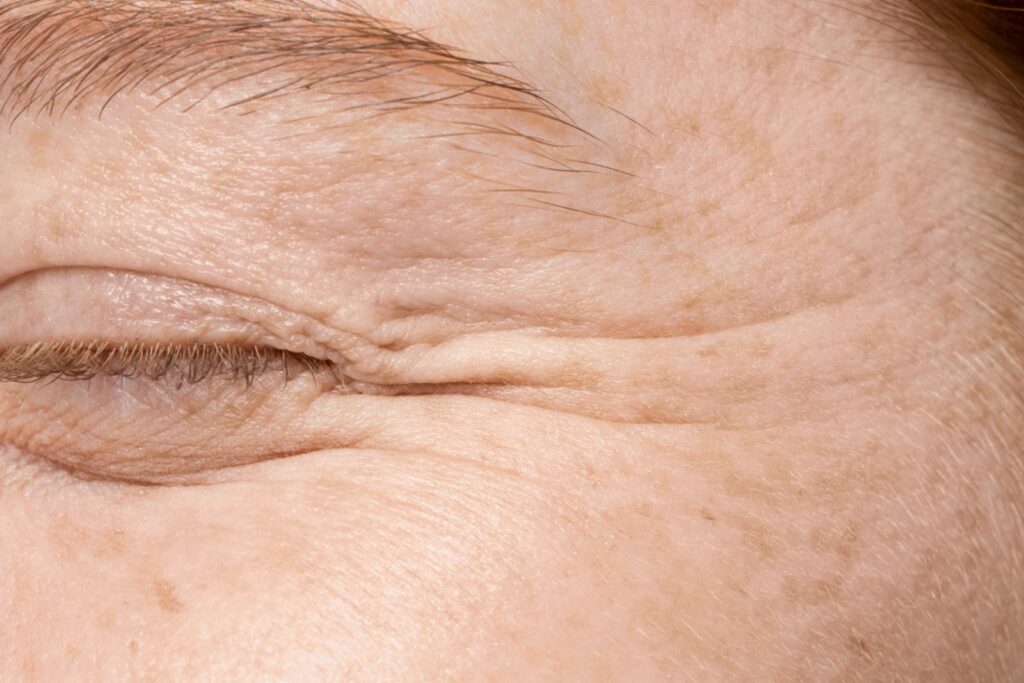
Many people wonder, why do wrinkles appear as we get older? Wrinkles are a natural part of the skin aging process. However, several factors can speed up their development. Understanding what happens under your skin can help you make healthy choices. In this blog, you will learn about the causes of wrinkles, early signs, and how to keep skin youthful. We will also share tips for wrinkle prevention in your area.
What Are Wrinkles?
Wrinkles are lines or folds that form on your skin. They often show up on the face, neck, and hands. For many, they are a normal sign of aging. However, some people notice wrinkles earlier than others. These lines can be fine or deep. While they are not harmful, they can affect how you feel about your appearance. According to the American Academy of Dermatology, wrinkles are a common concern for adults of all ages.
How Skin Changes With Age
As you age, your skin goes through many changes. First, the skin becomes thinner and loses fat. Next, it starts to lose its stretch and firmness. Because of this, the skin may look less smooth. Over time, the body makes less collagen and elastin. These are proteins that keep skin firm and flexible. As a result, the skin cannot bounce back as easily. This process is called skin aging. It happens to everyone, but the speed can vary.
Key Causes of Wrinkles
Several factors can lead to wrinkles. Some you can control, while others you cannot. Here are the main causes of wrinkles:
According to the World Health Organization (WHO), sun protection is key for preventing wrinkles, especially in sunny regions.
What Happens Under Your Skin When Wrinkles Form
Under the surface, your skin has several layers. The top layer is called the epidermis. Beneath that is the dermis, which holds collagen and elastin. As you get older, the body makes less of these proteins. Because of this, the skin loses its strength and stretch. When collagen breaks down, the skin cannot hold its shape. As a result, lines and folds appear. Repeated facial movements can also break down these fibers. Over time, wrinkles become deeper and more noticeable. Peer-reviewed dermatology journals confirm that loss of collagen is a main cause of wrinkles.
Early Signs and Symptoms of Wrinkles
Wrinkles do not appear overnight. Instead, you may notice early signs such as:
Over time, these signs can become more visible. For some, wrinkles may appear earlier due to sun exposure or genetics. If you notice these changes, it may be a good time to start healthy skin habits.
Prevention Tips for Wrinkles
While you cannot stop aging, you can slow down the causes of wrinkles. Here are some tips for preventing wrinkles:
In areas with strong sunlight, such as southern cities, extra sun protection is important for wrinkle prevention.
Healthy Skin Habits to Reduce Wrinkle Risk
Adopting healthy habits can help keep skin youthful. For example, gentle skin care is important. Wash your face with mild soap and warm water. Next, use a moisturizer to keep skin soft. Avoid harsh scrubs or strong chemicals, as they can damage the skin’s surface. Because a healthy lifestyle supports skin health, try to:
According to the CDC, these steps can help reduce the risk of early wrinkles. With the right care, you can support your skin’s natural strength and glow.