Introduction
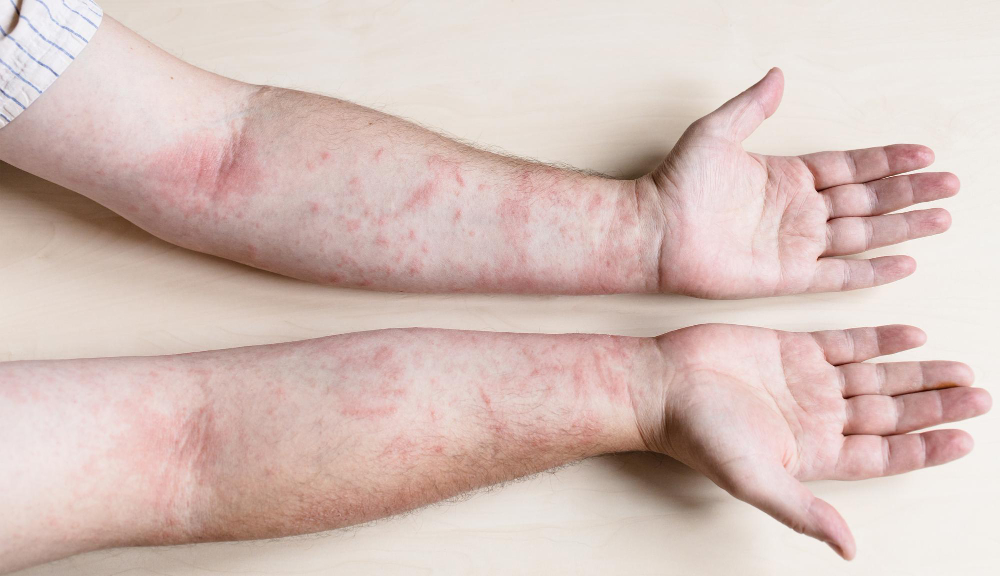
Many people confuse scabies and eczema because both cause itchy skin. However, scabies is an infection caused by tiny mites, while eczema is a skin condition that makes your skin dry and itchy. Knowing the difference between scabies vs. eczema is important. This helps you choose the right treatment and avoid spreading scabies to others. In this blog, you will learn about scabies symptoms, eczema treatment, and how to tell them apart.
What is Scabies?
Scabies is a skin infection caused by tiny mites called Sarcoptes scabiei. These mites burrow into the top layer of your skin and lay eggs. As a result, your skin becomes very itchy and develops a rash. Scabies spreads easily from person to person, especially with close contact. According to the CDC, scabies affects millions of people worldwide each year.
What is Eczema?
Eczema, also known as atopic dermatitis, is a long-term skin condition. It causes dry, red, and itchy patches on the skin. Unlike scabies, eczema is not caused by an infection or mites. Instead, it often runs in families and can be triggered by things like soaps, stress, or weather changes. Eczema is common in children but can affect people of all ages.
Key Differences Between Scabies and Eczema
Although both conditions cause itching, there are important differences. For example, scabies is contagious, but eczema is not. Also, scabies often causes intense itching at night, while eczema can itch at any time. Understanding the difference between scabies and eczema helps you get the right care.
Symptoms Comparison
Next, let’s look at the symptoms of each condition. This can help you spot the difference quickly.
Scabies Symptoms
Eczema Symptoms
Causes and Risk Factors
Understanding what causes each condition can help you prevent flare-ups. While scabies and eczema have different causes, both can affect anyone.
Scabies Causes and Risks
Eczema Causes and Risks
Diagnosis: How Doctors Tell Them Apart
Doctors use several steps to find out if you have scabies or eczema. First, they ask about your symptoms and check your skin. Sometimes, they may scrape a small area of skin to look for mites under a microscope. For eczema, doctors look for common patterns and ask about your family history. In some cases, allergy tests may help.
Treatment Options for Scabies
Scabies needs medical treatment to kill the mites. Over-the-counter creams do not work. Instead, doctors usually prescribe special creams or lotions. Here are common treatments:
Itching may last a few weeks even after treatment. However, it is important to finish all medicine as directed.
Treatment Options for Eczema
Eczema treatment focuses on easing symptoms and preventing flare-ups. While there is no cure, many people manage eczema well with the right care. Common eczema treatments include:
For severe eczema, doctors may suggest stronger medicines or light therapy.
Prevention Tips and Lifestyle Guidance
Although you cannot always prevent scabies or eczema, some steps can lower your risk. For example, good hygiene and avoiding close contact with infected people help prevent scabies. For eczema, keeping your skin moist and avoiding triggers is key.
Conclusion
In summary, scabies and eczema may look alike but have different causes and treatments. If you notice symptoms of scabies or eczema, consult a dermatologist for personalized advice. Early treatment helps you feel better and protects others.