Introduction
Acne vulgaris, often called pimples, is a common skin problem. Many people want to know the most common causes of acne vulgaris. Understanding these causes can help you prevent and treat breakouts. While acne is not dangerous, it can affect your confidence. Knowing why pimples form is the first step to clearer skin.
What is Acne Vulgaris?
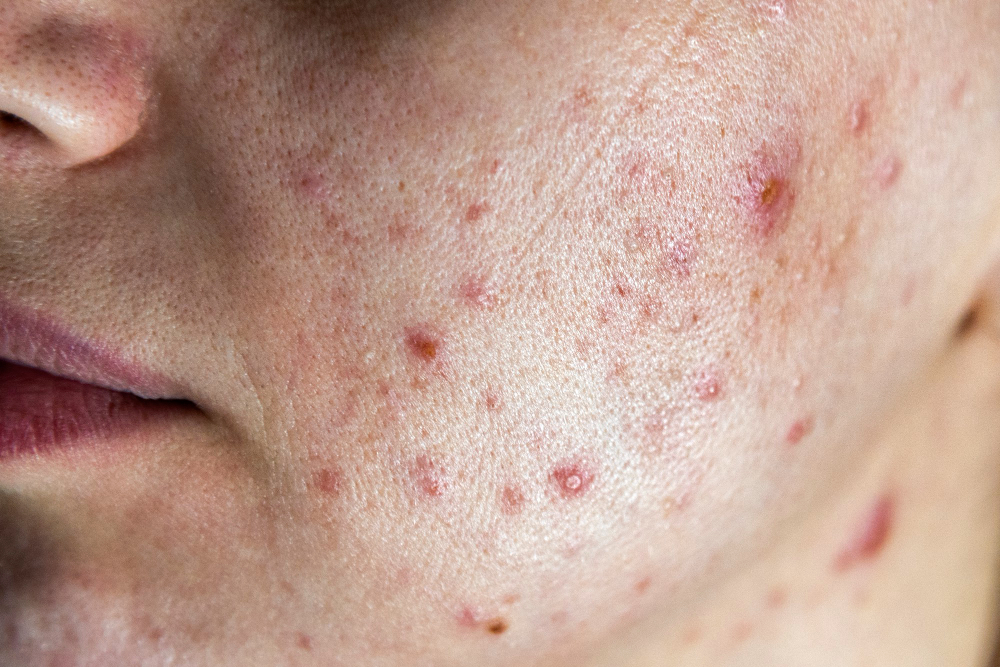
Acne vulgaris is a skin condition that leads to pimples, blackheads, and whiteheads. It usually appears on the face, back, and chest. Anyone can get acne, but it is most common in teenagers. However, adults can have it too. The condition happens when hair follicles become blocked. This blockage causes swelling and redness.
Why Do Pimples Occur?
Pimples form when tiny holes in the skin, called pores, get clogged. Usually, oil and dead skin cells block these pores. As a result, bacteria can grow inside. This leads to swelling, redness, and sometimes pain. Over time, these blocked pores turn into pimples or acne spots.
Most Common Causes of Acne Vulgaris
There are several main causes of pimples. Understanding these acne triggers can help you manage your skin better. Below are the most common causes of acne vulgaris:
In some places, climate and pollution can also make acne worse. For example, hot and humid weather may increase oil production.
Who is Most at Risk?
Anyone can get acne, but some people are more likely to have it. For instance, teenagers often get pimples because of hormone changes. People with oily skin are also at higher risk. In addition, women may notice more breakouts during their periods or pregnancy. If your parents had acne, you might get it too. Living in areas with high pollution or humidity can increase your risk as well.
How to Reduce Your Risk
There are simple steps you can take to help prevent acne vulgaris. Here are some tips:
For some people, changing habits can make a big difference. However, if acne does not improve, it is best to see a dermatologist.
Conclusion
To sum up, the most common causes of acne vulgaris include excess oil, hormones, bacteria, and clogged pores. Diet, stress, and certain products can also play a role. By understanding these acne triggers, you can take steps to prevent breakouts. If you are struggling with acne, consult a dermatologist for personalized advice.