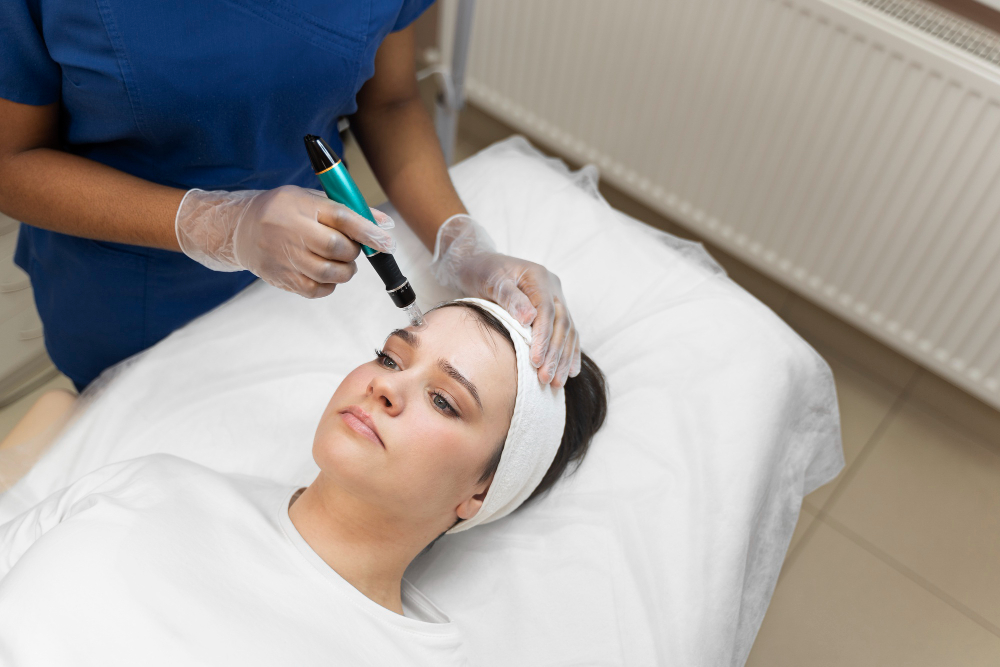
What is Skin Needling?
Skin needling, also known as microneedling, is a popular skin rejuvenation treatment. It uses tiny needles to create small, controlled injuries on the skin’s surface. Because these micro-injuries trigger the skin’s natural healing process, new collagen and elastin form. As a result, many people notice smoother, firmer skin. Dermatologists often recommend skin needling for texture, pores & rejuvenation. In many clinics, this treatment is performed by trained professionals for safety and best results.
How Skin Needling Improves Texture and Pores
Many people seek microneedling for skin texture and minimizing pores. When the needles create small channels, the skin responds by repairing itself. For example, this process helps break down old, uneven tissue. At the same time, new collagen fills in lines, scars, and rough patches. Over time, pores may look smaller because the skin becomes tighter and smoother. In addition, skin needling can help reduce the look of acne scars and fine wrinkles. While results vary, most people notice a more even skin tone after a few sessions.
The Skin Needling Procedure: What to Expect
During a skin needling session, your provider will clean your skin first. Next, they may apply a numbing cream to reduce discomfort. After that, a special device with tiny needles is rolled or stamped over the skin. Because the needles are very fine, most people feel only mild discomfort. The treatment usually takes 30 to 60 minutes, depending on the area. After the procedure, your skin may look red, similar to a mild sunburn. However, this redness usually fades within a few days. Most people can return to normal activities soon after treatment.
Benefits of Skin Needling for Rejuvenation
Skin needling offers many benefits for skin rejuvenation. For instance, it can help:
Because the treatment boosts collagen, results often improve with each session. In addition, skin needling can enhance the absorption of creams and serums. Many people choose this method because it is less invasive than surgery or lasers.
Potential Risks and Side Effects
Although skin needling is generally safe, there are some risks. For example, you may experience:
However, most side effects are mild and temporary. It is important to choose a trained provider and follow their instructions. According to the American Academy of Dermatology, serious complications are rare when the procedure is done properly.
Who is a Good Candidate?
Skin needling is suitable for many skin types and ages. However, some people may not be good candidates. For example, you should avoid this treatment if you have:
Still, most healthy adults can benefit from microneedling for skin texture and rejuvenation. Always consult a dermatologist before starting any new skin treatment.
Aftercare and Recovery Tips
Proper aftercare helps your skin heal and reduces the risk of problems. After skin needling, you should:
Because your skin is healing, it is normal to see some redness or mild peeling. However, these effects usually go away within a week. If you notice signs of infection, contact your provider right away.
Evidence and Research on Skin Needling
Many studies support the use of skin needling for texture, pores & rejuvenation. For example, research in dermatology journals shows that microneedling can improve acne scars and fine lines. In addition, a review in the Journal of the American Academy of Dermatology found that most people see visible results after several sessions. While some results appear quickly, full benefits may take a few months as collagen builds up. The World Health Organization and other health groups note that skin needling is safe when performed by trained professionals.
Prevention and Maintenance Tips
To keep your skin looking its best after skin needling, follow these tips:
Because skin needling works best as part of a complete skincare plan, talk to your dermatologist about other options. In many cities, clinics offer personalized skin rejuvenation treatments for ongoing care.