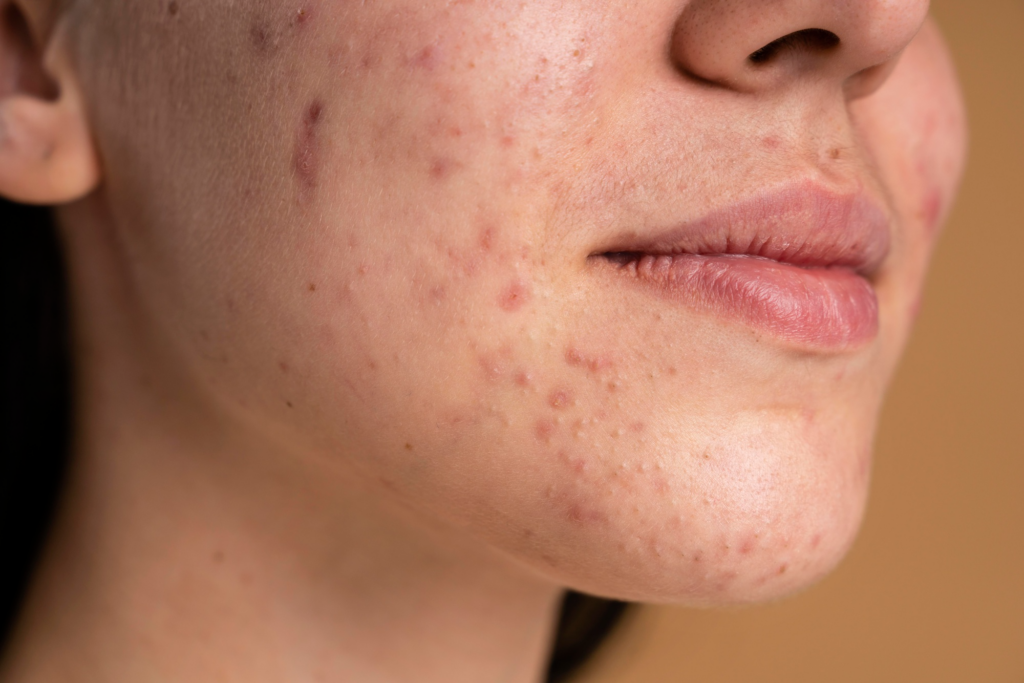
What Is Acne?
Acne is a common skin problem that affects people of all ages. It often appears as pimples, blackheads, or whiteheads on the face, chest, or back. Many teenagers get acne, but adults can have it too. According to the World Health Organization (WHO), acne is one of the most widespread skin conditions worldwide. Because of this, many people search for the best acne treatment and ways to get rid of acne.
Common Symptoms of Acne
Acne can look different for each person. However, most people notice these signs:
Sometimes, acne can leave scars or dark spots after healing. But early treatment can help prevent this.
Main Causes and Risk Factors
Acne starts when hair follicles get clogged with oil and dead skin cells. But, several things can make acne worse:
Although diet may play a role, research is still ongoing. Some people notice that dairy or sugary foods can make their acne worse.
How Is Acne Diagnosed?
Doctors usually diagnose acne by looking at your skin. They check the type and number of spots. Sometimes, they ask about your health, family history, or medicines you take. Rarely, they may do tests to rule out other skin problems. Most of the time, a simple skin check is enough for diagnosis.
Effective Acne Treatment Options
There are many ways to treat acne. The best acne treatment depends on how severe your acne is. Here are some common options:
In addition, lifestyle changes can help. For example, washing your face gently twice a day and avoiding picking at pimples can make a big difference. Always follow your doctor’s advice for the best results.
Tips for Prevention and Daily Skincare
Good skincare can help prevent new breakouts. Try these tips:
In hot or humid places, wash your face after sweating. This helps keep pores clear.
When to See a Dermatologist
Sometimes, home care is not enough. You should see a dermatologist if:
Early treatment can prevent lasting skin damage. Therefore, do not wait too long to get help.
Conclusion
Acne is common, but it can be managed with the right care. Many treatments and daily habits can help clear your skin. However, if you struggle with acne, consult a dermatologist for personalized acne treatment and advice.