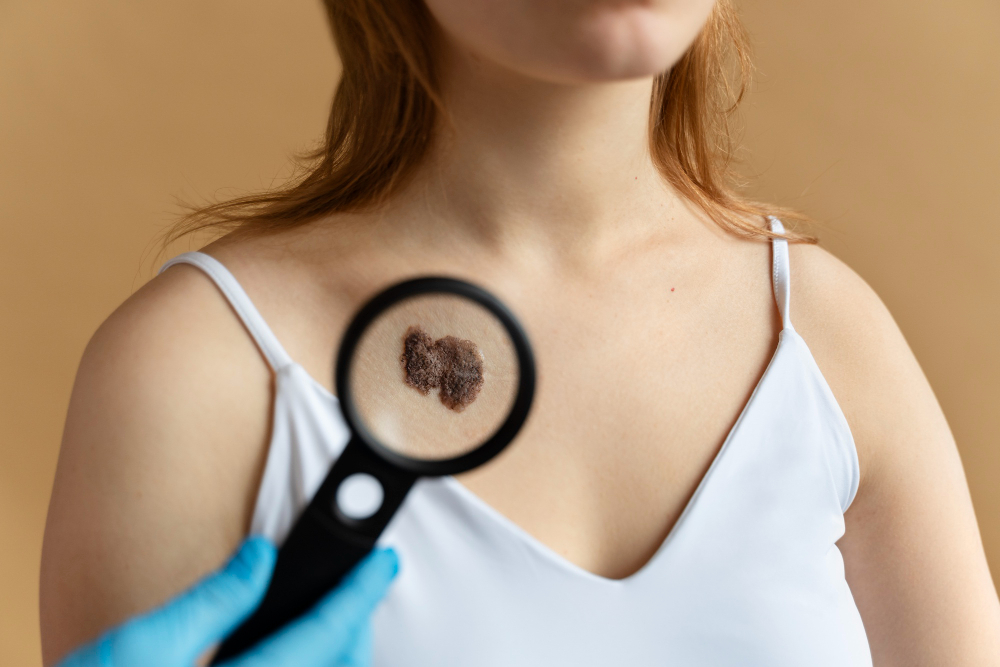
Introduction
Melanoma is a serious type of skin cancer. It can develop quickly and spread to other parts of the body. Early signs of melanoma are often easy to miss, but finding it early can save lives. In this blog, you will learn about melanoma symptoms, causes, diagnosis, treatment options, and skin cancer prevention. Understanding these facts can help you protect yourself and your loved ones.
What is Melanoma?
Melanoma starts in the cells that give your skin its color. These cells are called melanocytes. Unlike other skin cancers, melanoma can grow fast and become life-threatening if not treated early. However, with early detection, most people recover fully. According to the World Health Organization (WHO), melanoma rates are rising worldwide. This makes awareness even more important.
Symptoms of Melanoma
Knowing the early signs of melanoma can help you spot problems sooner. Most melanomas appear as new spots or changes in existing moles. But not all changes mean cancer. Still, you should watch for these warning signs:
Sometimes, melanoma can itch, bleed, or feel sore. If you notice any of these changes, you should see a doctor right away.
Causes and Risk Factors
Melanoma happens when skin cells are damaged and start to grow out of control. Many things can raise your risk. For example, too much exposure to ultraviolet (UV) rays from the sun or tanning beds is a major cause. But other factors also play a role:
Even though anyone can get melanoma, these risk factors make it more likely. Therefore, knowing your risks can help you take steps to protect your skin.
Diagnosis
Doctors use several steps to diagnose melanoma. First, they will look at your skin and ask about any changes. If they see something suspicious, they may remove a small piece of skin for testing. This is called a biopsy. The sample goes to a lab, where experts check for cancer cells. Sometimes, more tests are needed to see if the cancer has spread. Early melanoma diagnosis gives you the best chance for a full recovery.
Treatment Options
Melanoma treatment options depend on how early the cancer is found. For early-stage melanoma, surgery to remove the cancer is often enough. If the cancer has spread, you may need more treatments. These can include:
Your doctor will explain which melanoma treatment options are best for you. New treatments are always being studied, so you may have more choices in the future.
Prevention Tips
While you cannot prevent all cases, you can lower your risk of melanoma. Here are some skin cancer prevention tips:
Because early detection is key, regular skin checks can help you find problems before they become serious.
When to See a Doctor
If you notice any new or changing moles, you should see a healthcare professional. Also, if a spot looks different from others or does not heal, get it checked. Early signs of melanoma are sometimes easy to miss, so do not wait. Your doctor can help with a melanoma diagnosis and guide you on the next steps. Remember, early treatment saves lives.
If you have concerns about your skin, consult your doctor for personalized advice.